Documents Required to Buy Property in Sattva Aangane
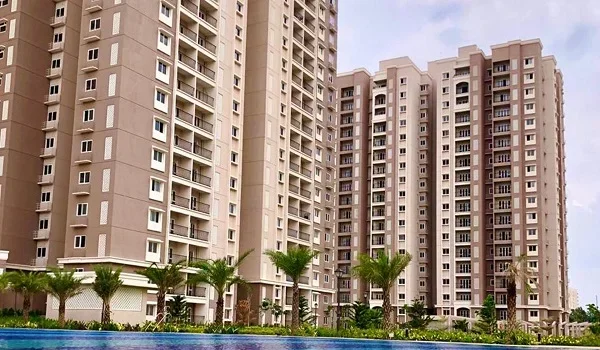
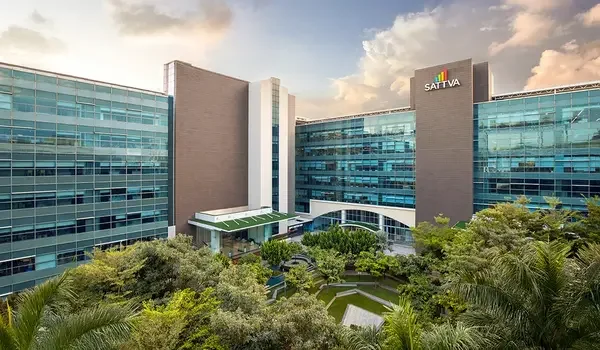
Featured Image of Documents Required to Buy Property in Sattva Aangane


Buying a property in Sattva Aangane is an important decision, so buyers should check all the required documents before booking a flat. These documents include an Aadhaar card, PAN card, sale agreement, title deed, Encumbrance Certificate (EC), approved building plans, and RERA details. Buyers should also check the land records and builder approvals to make sure the project has the required permissions. It is important to read every document carefully and understand all the terms before paying the booking amount or signing the sale agreement. Buyers should also check the property details, payment terms, and possession conditions mentioned in the papers. Keeping all the documents ready makes the buying process easier, avoids unnecessary delays, and helps buyers stay safe from legal and financial problems in the future.

1. Primary Buyer Identification and Address Records


Buyers need to submit valid identity and address proof when booking a flat in Sattva Aangane. These documents help confirm the buyer's details and make the booking and registration process easier. They also help prevent mistakes in property records and avoid delays during the purchase.

Important documents include:

  • Aadhaar Card: Used as identity and address proof.
  • PAN Card: Needed for tax records and property transactions.
  • Passport or Voter ID: Can be used as additional identity proof.
  • Passport-size Photos: Required for booking forms and property records.

Buyers should check that their name, date of birth, and other details are correct in all documents. The details should match to avoid problems during booking, agreement signing, and property registration.

2. Income Tax and Financial Documentation


Buying a property involves a large amount of money, so buyers should keep their financial documents ready. Banks may ask for these papers when applying for a home loan or checking the buyer's payment ability. These documents help show the buyer's income, bank details, and payment records. Keeping all the papers ready makes the loan process easier and helps avoid delays during property registration.

Key financial documents to keep ready:

  • PAN Card: Required for property transactions where applicable under income tax rules. For example, PAN details are required for buying or selling immovable property valued at more than ₹10 lakh under the applicable tax rules.
  • Bank Statements: 6 months of statements showing savings.
  • Loan Sanction Letter: Given by your bank if taking a home loan.
  • Income Tax Returns (ITR): Salary slips or tax files for loan processing.
  • Payment Receipts: Official receipts from Sattva Group for all payments made.

Banks check your income records before releasing loan funds.

3. Land Ownership Title Deed Verification


The title deed is an important document that shows who owns the land. Buyers should check this document to make sure the builder has the legal right to develop the project and sell the flats. It also helps confirm that the property has a clear ownership record.

What to check:

  • Clear Ownership: Confirms Sattva Group owns the 10.23-acre land parcel.
  • Past History: Tracks land ownership over the last 30 years.
  • No Court Cases: Ensures no legal disputes exist on the land.
  • Lawyer Verification: Get a written legal opinion from an independent lawyer.

A clear title protects you from land ownership disputes later.

4. Encumbrance Certificate (EC)


An Encumbrance Certificate (EC) lists registered claims on a land parcel. It proves whether the land is free from bank loans or legal charges.

Key checkpoints:

  • Bank Mortgages: Shows if the land is pledged against a loan.
  • Registered Sales: Lists past land transfer details.
  • Coverage Period: Covers 15 to 30 years of continuous land records.

Always request an updated Form 15 EC from the Sub-Registrar Office.

5. Mother Deed and Legal Origin Records


The mother deed shows the land's ownership history, from the first owner to the current owner or builder. It helps buyers understand how the land was transferred over the years. This document also helps check whether the ownership records are complete and clear. Before buying a flat, buyers should review these records to make sure there are no missing documents, ownership disputes, or legal problems with the land.

Key documents to check:

  • Parent Deed: Shows the original sale or allotment details of the land.
  • Conveyance Deeds: Show how the land was transferred from one owner to another.
  • Mutation Records (RTC): Show the land details in government revenue records.

Buyers should check every ownership record carefully. If any document is missing or the ownership details are unclear, they should get it checked by a property lawyer before making the purchase.

6. Karnataka RERA Registration Disclosures


RERA registration protects buyers from project delays. Sattva Aangane is registered under Karnataka RERA number PR/180926/008944.

What to check on RERA:

  • Approved Floor Plans: Confirms your exact apartment carpet area.
  • Possession Date: Shows the official project completion deadline.
  • Escrow Account: Proves buyer funds are used only for construction.

You can verify all project details directly on the Karnataka RERA online portal.

7. Sanctioned Building and Layout Approvals


An approved building plan proves the layout meets city rules. It confirms safety clearances and structural approvals.

Documents to verify:

  • Sanctioned Plan: Approved design from local planning authorities.
  • Commencement Certificate (CC): Permission to start site construction.
  • Safety Approvals: Fire and environmental safety clearances.

Buying an unapproved layout can lead to legal penalties.

8. Khata Certificate and Revenue Extracts


A Khata record proves a property is listed in civic records for tax payment in Karnataka.

Key details to confirm:

  • Land Conversion: Confirms agricultural land was converted for housing use.
  • Tax Receipts: Prove all land taxes are paid up to date.
  • Khata Transfer: Process to get your flat registered under your name after delivery.

A valid Khata is needed to get municipal water and power connections.

9. Registered Agreement for Sale


The Agreement for Sale lists all cost breakdowns, payment dates, and delivery timelines. Under RERA, a builder cannot take more than 10% advance without registering this document.

Key terms to check:

  • Total Cost: Full price including taxes and parking fees.
  • Carpet Area: Exact measurement of usable indoor floor space.
  • Delay Charges: Interest paid to you if delivery is late.
  • Cancellation Policy: Refund terms if you cancel your booking.

Read every page of the agreement before signing.

10. Absolute Sale Deed and Ownership Transfer


The Sale Deed is the final paper that transfers property ownership to you. It is registered at the Sub-Registrar Office after full payment.

Key parts of a Sale Deed:

  • Undivided Share of Land (UDS): Your share of the project land.
  • Flat Details: Tower number, floor number, and flat ID.
  • Stamp Duty: Proof of paid state transfer taxes.

Keep the original registered Sale Deed safe for future resale.

11. Completion and Occupancy Certificates


These papers are issued by local authorities when construction ends. They prove the building is safe to live in.

  • Completion Certificate (CC): Proves construction followed approved plans.
  • Occupancy Certificate (OC): Gives legal permission to move into the flat.

Never move into a completed flat without a valid Occupancy Certificate.

12. Complete Payment Summaries and Receipts


Keep every payment receipt safe in a file. Receipts protect you if billing mistakes happen.

Save these receipts:

  • Booking Amount Slip
  • Installment Payment Slips
  • GST Tax Invoices
  • No Dues Certificate from Builder

Match every payment against your agreed payment schedule.

Quick Document Checklist


Document Name Issuing Authority / Source Primary Verification Objective
Aadhaar & PAN Card UIDAI / Income Tax Dept. Buyer identity and tax compliance verification
Mother Deed Land Registrar Establishes original 30-year land ownership chain
Title Deed Developer Legal Team Confirms clear and marketable land title
Encumbrance Certificate Sub-Registrar Office Proves property is free from registered liens
RERA Registration Karnataka RERA PR/180926/008944 compliance and schedule check
Sanctioned Plan Local Planning Authority Validates approved building layout and floor plans
Agreement for Sale Developer & Buyer Legally binding terms, carpet area, and payment plan
Sale Deed Sub-Registrar Office Final legal transfer of property title to buyer
Occupancy Certificate Municipal Corporation Confirms building safety and authorization to reside

7 Essential Steps Before Booking


  • Check Land Ownership: Let a lawyer review land papers from 30 years back.
  • Verify RERA Data: Search registration number PR/180926/008944 online.
  • Check Apartment Size: Verify actual carpet area in square feet.
  • Read Payment Terms: Check for hidden fees or penalty clauses.
  • Verify Bank Approvals: Make sure major banks approve loans for the project.
  • Save All Receipts: Keep physical and digital copies of every payment.
  • Get Legal Advice: Consult an independent lawyer before signing agreements.

FAQs


1. What is the RERA number for Sattva Aangane?

The Karnataka RERA registration number is PR/180926/008944.

2. Is a PAN card mandatory for buying a flat?

Yes. A PAN card is required by law for all property deals in India.

3. What is the difference between an Agreement for Sale and a Sale Deed?

An Agreement for Sale sets terms for a future purchase. A Sale Deed transfers ownership when the project is finished.

4. What does an Encumbrance Certificate show?

It shows whether the land has any registered bank loans, debts, or legal claims.

5. What papers do banks ask for home loans?

Banks ask for your PAN card, Aadhaar card, salary slips, bank statements, project layout approvals, and the Agreement for Sale.

Sattva Aangane Blog


Enquiry
Enquire Now